Oregon Water OnlineSnowpack, climate & forecastsSalmon & rivers
NOAA: Western U.S. snowpack healthiest in decade
Restored from the 2007–2009 Oregon Water Online blog, as captured on June 10, 2008. The text is kept as published; many items were reposts of regional news, and their source line is kept at the end. Dead links and contact details have been removed.
An analysis by NOAA’s National Climatic Data Center shows that the average temperature for March in the contiguous United States ranked near average for the past 113 years. It was the 63rd warmest March since record-keeping began in the United States in 1895.
The average global land temperature last month was the warmest on record and ocean surface temperatures were the 13th warmest. Combining the land and the ocean temperatures, the overall global temperature ranked the second warmest for the month of March. Global temperature averages have been recorded since 1880.
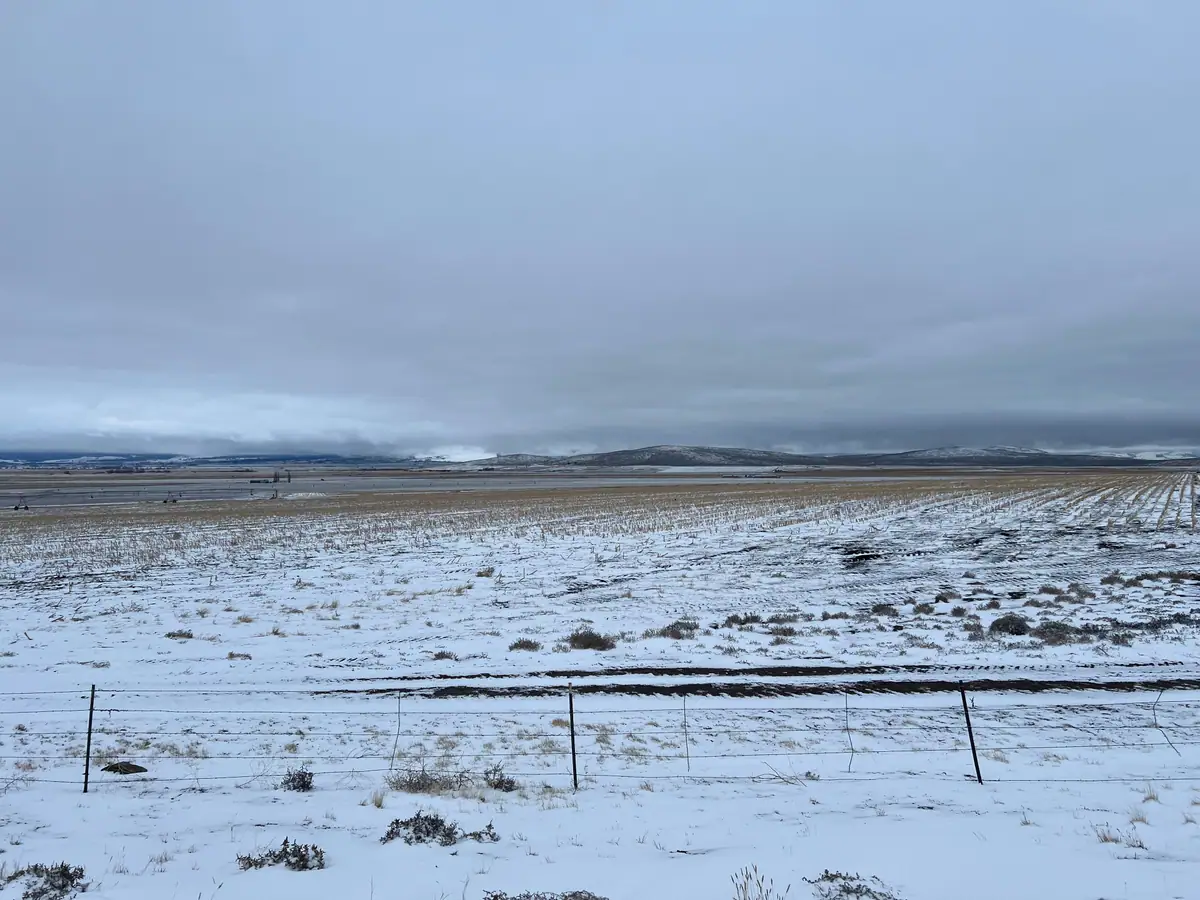
Snowpack conditions dropped in many parts of the West in March, but in general, heavy snowfall during December-February has left the western snow pack among the healthiest in more than a decade, with most locations near to above average.
Nine states from Oklahoma to Vermont were much wetter than average, with Missouri experiencing its second wettest March on record. Much of the month’s precipitation fell March 17-20, when an intense storm system moved slowly from the southern Plains through the southern Midwest.
Rainfall in the middle of March improved drought conditions in much of the Southeast, but moderate-to-extreme drought still remained in more than 59 percent of the region.
In the western U.S., the weather pattern in March bore a greater resemblance to a typical La Niña, with especially dry conditions across Utah, Arizona, Nevada, and California. March was extremely dry in much of California, tying as the driest in 68 years at the Sacramento airport with 0.05 inches, a 2.75 inch departure from average.
The global land surface temperature was the warmest on record for March, 3.3 degrees F above the 20th century mean of 40.8 degrees. Temperatures more than 8 degrees above average covered much of the Asian continent. Two months after the greatest January snow cover extent on record on the Eurasian continent, the unusually warm temperatures led to rapid snow melt, and March snow cover extent on the Eurasian continent was the lowest on record.
The global surface (land and ocean surface) temperature was the second warmest on record for March in the 129-year record, 1.28 degrees F above the 20th century mean of 54.9. The warmest March on record (1.33 degrees above average) occurred in 2002.
Although the ocean surface average was only the 13th warmest on record, as the cooling influence of La Niña in the tropical Pacific continued, much warmer than average conditions across large parts of Eurasia helped push the global average to a near record high for March.
Despite above average snowpack levels in the United States, the total Northern Hemisphere snow cover extent was the fourth lowest on record for March, remaining consistent with boreal spring conditions of the past two decades, in which warming temperatures have contributed to anomalously low snow cover extent.
Some weakening of La Niña, the cold phase of the El Niño-Southern Oscillation, occurred in March, but moderate La Niña conditions remained across the tropical Pacific Ocean.