Oregon Water OnlineEnergy & hydropowerSalmon & rivers
The Power of Hydro
Restored from Oregon Water Online, the 2009–2016 news blog, as captured on March 29, 2016. The text is kept as published; many items were reposts of regional news, and their source line is kept at the end. Dead links and contact details have been removed.
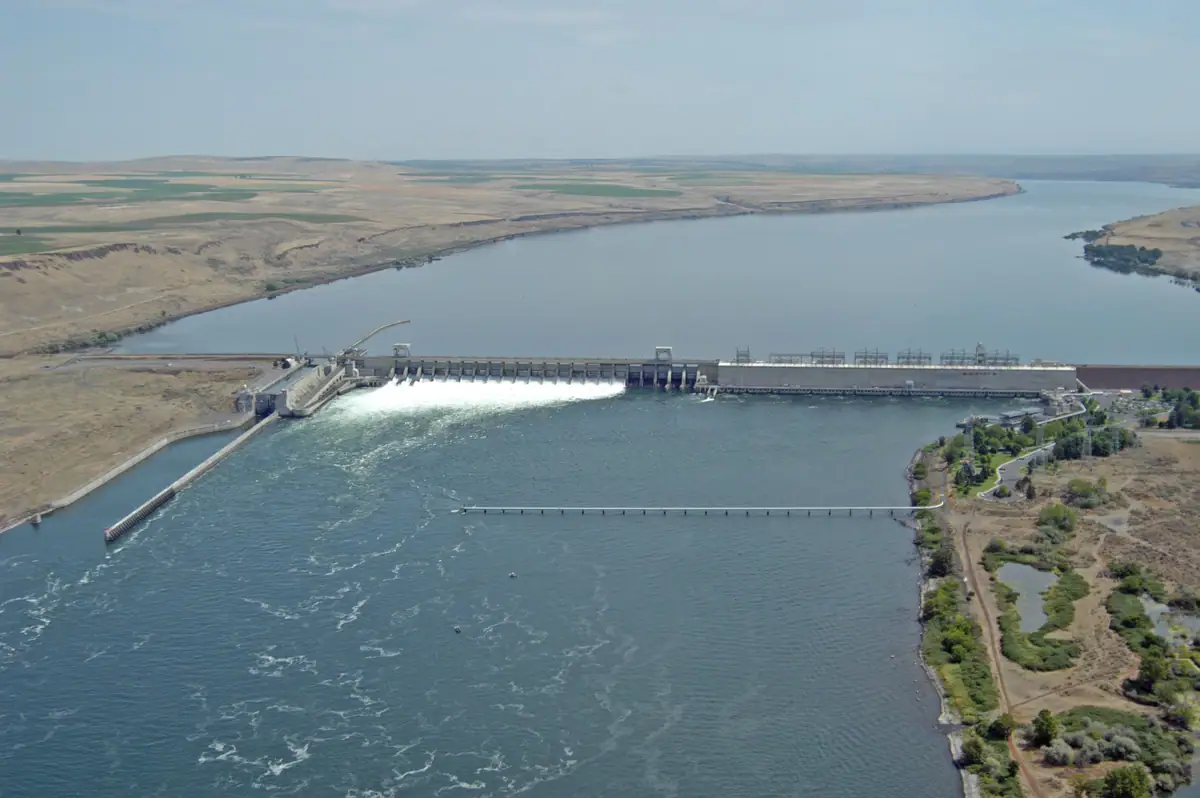
Although hydropower is not seen universally as renewable, it continues to meet the energy needs of the Northwest.
In 2012, hydropower generated more than 177 million megawatt-hours in six western states and Alaska. In some cases, hydropower accounted for more than half of the states’ electricity generation.
However, when it comes to statewide mandates, water goes down the drain in the Northwest, where–except in limited situations–hydro is not considered a qualifying renewable resource.
Increasing Renewables
The term renewable energy generally refers to electricity supplied from renewable energy sources, such as wind and solar power, geothermal, hydropower and forms of biomass. These sources are considered renewable because they are continuously replenished on the earth.
Yet when talk turns toward utilities’ renewable energy mandates–more than 30 states have renewable portfolio standards that require utilities to generate a percentage of their power from renewable sources–hydropower does not always make the cut.
This is partly due to the impact dams have on wildlife. Some large dams pose a challenge to fish trying to reach their spawning grounds. Reservoirs affect the flow, temperature and silt loads of rivers or streams. The result is a reduced fish population.
Also, by limiting what qualifies as renewable, states are forced to invest in other technologies, such as wind and solar. Since much of the Northwest already receives a substantial amount of power from hydro, states such as Oregon and Washington easily meet their RPS requirements without additional effort.
Umatilla Electric Cooperative in Hermiston, Oregon, faces a unique challenge as it tries to meet RPS requirements. Because large data centers have moved in UEC’s territory and created massive loads, the co-op is required to have 25 percent of its power be renewable by 2025–the same level as large investor-owned utilities.
“The massive loads were never anticipated,” says Oregon Rural Electric Cooperative Executive Director Ted Case. “It’s not equitable for Umatilla to have the same obligation.”
However, during the most-recent Oregon legislative session, a bill was introduced that, once passed, will allow UEC to use renewable energy certificates to meet RPS requirements.
“This brings some fairness to the unintended consequences of the data centers moving into Umatilla,” Case adds.
In Washington state, Initiative 937 requires electric utilities with 25,000 or more customers to supply 15 percent of their power from eligible renewable resources by 2020. Klickitat county Public Utility District in Goldendale–although under that size–endorsed the initiative from the start. But the PUD has gained some perspective since the initiative was adopted by voters in 2006.
“I-937 has definitely created a significant amount of renewable energy development,” says KPUD General Manager Jim Smith. “However, after several years of industry experience, some of the issues with market changes of this magnitude are apparent.
“I encourage legislators to engage utility experts more fully so that utilities can more fully support the mechanisms to help achieve targets and development in a more efficient manner.”
Hydropower Education
For the second year in a row, Northwest RiverPartners–an alliance of farmer, ports, businesses and other members in Idaho, Montana, Oregon and Washington–is raising awareness about the multiple benefits the rivers provide to the Northwest economy.
Last year, the CleanHydro campaign introduced hydropower and the river system to Northwest residents who benefit from them, but who may not fully understand their value. This year, CleanHydro is building on that momentum.
In polling done following the 2013 campaign, 77 percent of Northwest residents identified hydropower as a clean, renewable source of energy, up from 72 percent. Public support for congress and state legislators to identify hydro as a renewable resource in law grew by 6 percent. The results also showed residents want to see more hydro in their future.
“We are eager to continue this effort to educate people about the important commerce that flows from our Northwest rivers,” says Roman Gillen, co-chairman of the CleanHydro campaign, and CEO and president of ConsumersPower Inc., headquartered in Philomath, Oregon. “The fact that hydropower provides more than 90 percent of our renewable energy is a compelling story that needs to be shared.”
According to Northwest RiverPartners:
- Barges on northwest rivers keep 700,000 trucks off the highways each year. Because hydropower produces no carbon emissions, the Northwest’s carbon footprint is half that of other parts of the country.
- Northwest dams provide nearly 60 percent of the region’s electricity. It would take two nuclear, there coal-fired or six gas-fired power plants to replace the average annual power produced by the four lower Snake River dams.
- Because the rivers always flow in the Northwest, hydropower is also used as a tool to back up intermittent generators such as wind or solar. Hydro generation can be quickly adjusted to follow changes in wind production and keep the transmission system reliable.
As hydropower continues to fuel the local economy, it will remain a growing energy source for decades to come.
According to the National Hydropower Association, the U.S. hydropower industry could install 60,000 megawatts of new capacity by 2025 depending on policy changes. That is only 15 percent of the total untapped hydropower resource potential in the U.S.